Creating a premium look with less material: one of the biggest design challenges for consumer packaging in 2026. Brands want to stand out both on the shelf and online, while consumers remain price-conscious and European regulations increasingly focus on packaging reduction, recyclability and waste prevention. As a result, the traditional approach of using heavier packaging, additional layers of cardboard or elaborate decoration is coming under pressure.
Less design, more impact
Minimalism remains a powerful visual tool for communicating quality. A clean layout, a limited colour palette, clear typography and generous white space ensure that the product, brand and key benefit are immediately visible. This works not only on physical shelves but also in the small image formats used by online retailers.
Minimalist design does not mean that packaging has to blend into the background. When the overall design is understated, a single distinctive feature or recognisable brand cue can have greater impact: a block of colour, an unusual cap, a distinctive bottle shape or subtle embossing on a label. Design trend analyses for 2026 describe this combination of simplicity and refinement as minimalist luxury.
Tactility as proof of quality
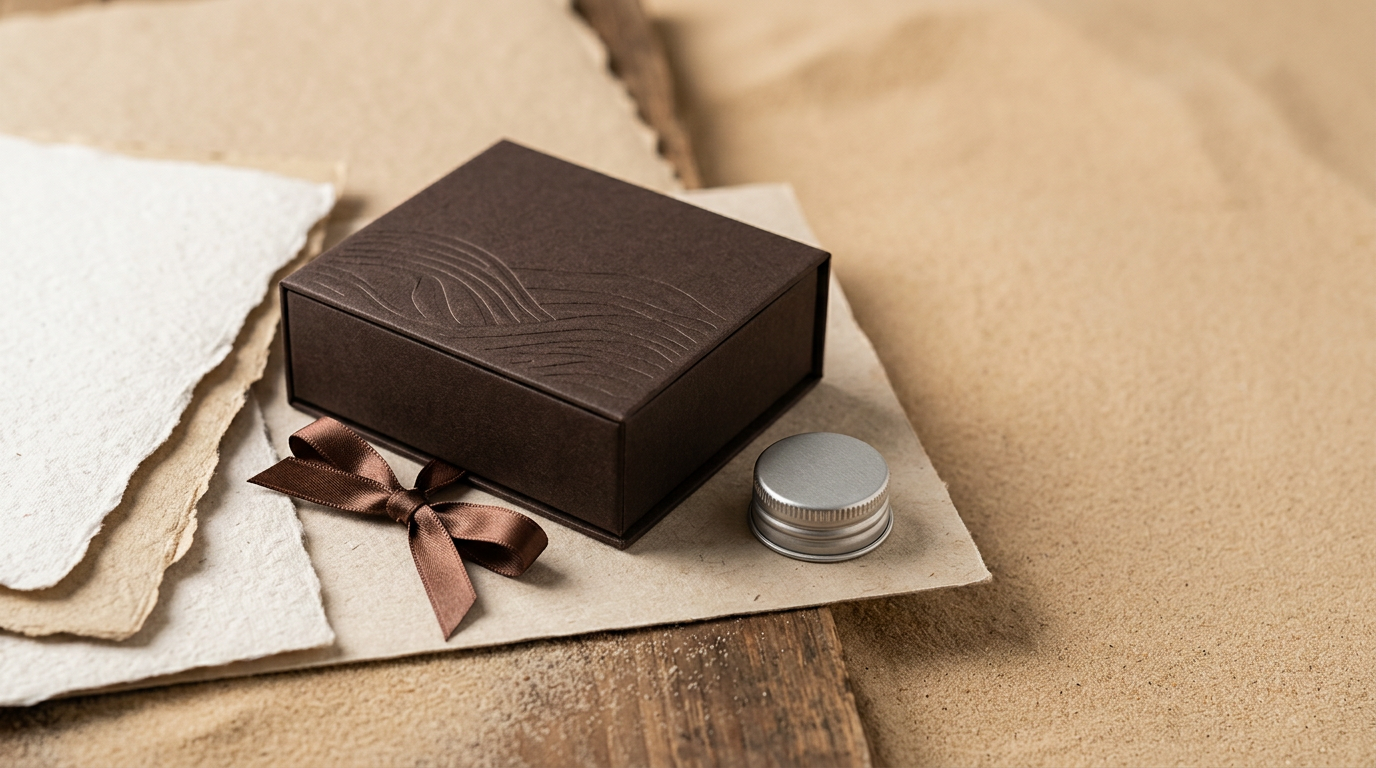
When consumers physically interact with packaging, material feel remains a powerful way to communicate quality. Tactile embossing, a matte finish, uncoated paper, subtle textures or a carefully designed closure can make a product feel premium and crafted. None of these necessarily requires additional material.
The challenge is to apply such finishes selectively. Full decorative foils, composite sleeves and combinations of different materials can complicate recycling. A smarter approach is to build the premium feel into the existing packaging: embossing directly into the cardboard, a distinctive structural design or targeted texturing where consumers naturally hold the pack.
This combination of design and sustainability is also gaining attention across the packaging design industry. Sustainability criteria used by organisations such as Pentawards, for example, consider not only materials but also packaging structure and production methods.
Transparency: show what you sell
Transparent or translucent packaging is particularly relevant in food, beverages and personal care. It allows consumers to see a product’s colour, texture and quantity, helping to build trust by allowing the product itself to take centre stage rather than hiding it behind layers of graphic design.
However, transparency is not automatically better. Light protection can be essential for maintaining food quality and shelf life. For plastics, the material choice must also be compatible with an effective recycling stream. The best solution is therefore a functional one: use transparency where visibility genuinely adds value, and provide protection where necessary.
Let the shape replace the excess packaging
Brands are increasingly finding ways to stand out through the primary packaging itself. A distinctive bottle shoulder, an ergonomic grip, a well-designed closure or a compact jar can strengthen brand identity without the need for an additional cardboard box or plastic decorative layer.
One illustrative example from the design world is the Ramlösa bottle. Its faceted, cut-glass aesthetic is translated into lightweight PET, creating a premium look through shape and detail. Compared with a glass alternative, this can reduce packaging weight and carbon impact.
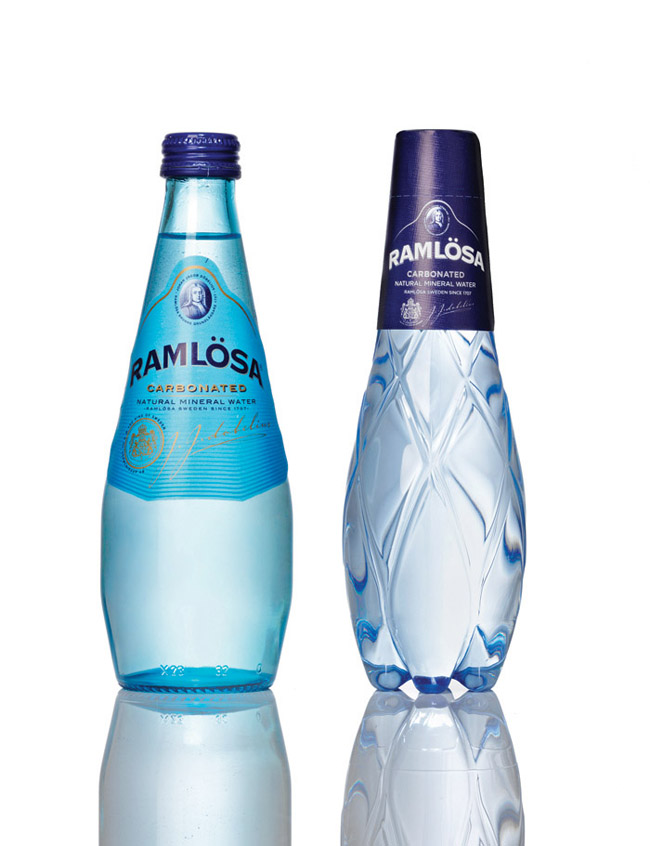
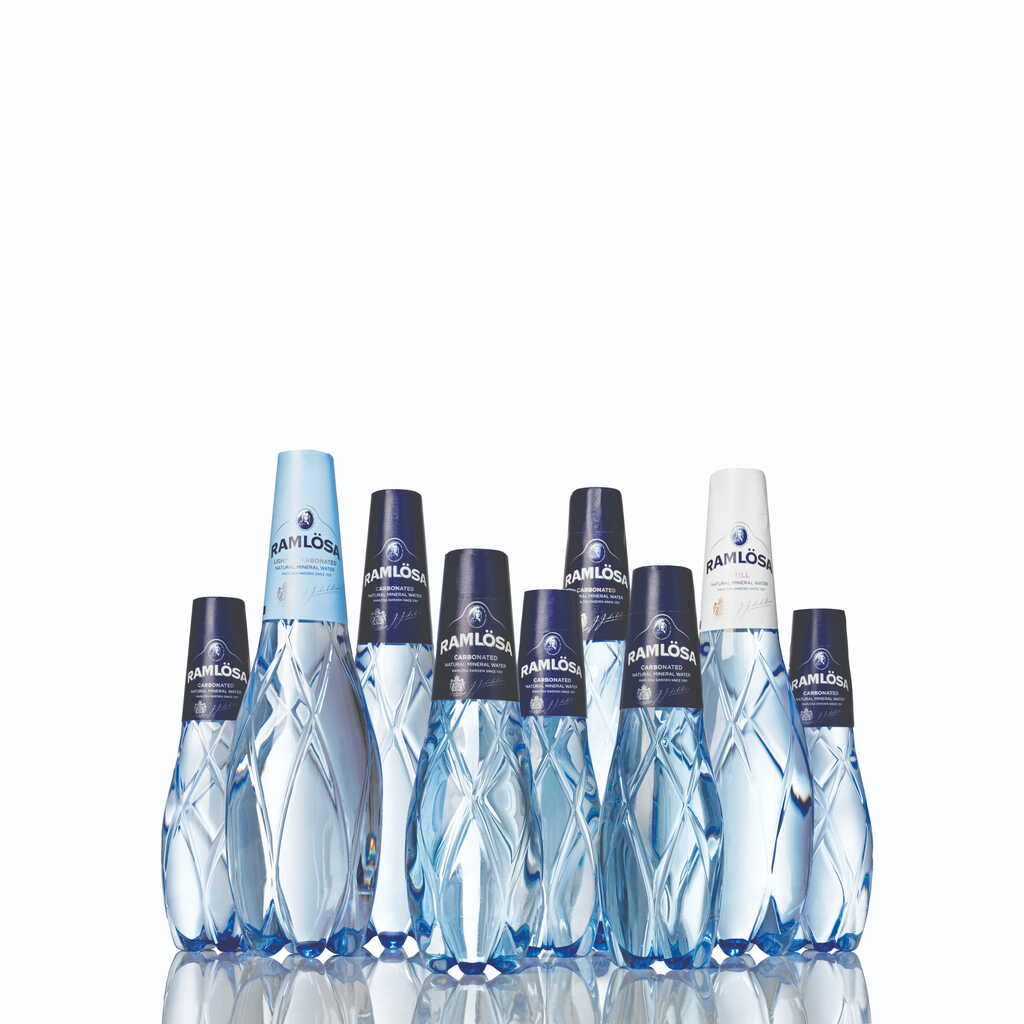
For brands, this is an important principle: invest in packaging that is essential for protection and ease of use, not in packaging that serves only a ceremonial purpose.
Regulation makes ‘lightweight luxury’ more urgent
This shift is not purely an aesthetic choice. The European Packaging and Packaging Waste Regulation (PPWR) begins to apply in 2026 and covers all packaging and packaging waste in the EU. Among other things, the regulation encourages packaging prevention, improved recyclability and the reduction of unnecessary packaging.
Premium without pricing consumers out
In a price-conscious market, premium packaging is only successful if its added value is credible. Consumers generally weigh quality, price and ease of use more heavily than sustainability alone. At the same time, they expect brands and packaging manufacturers to take responsibility for making packaging more sustainable.
Premiumisation and sustainability do not have to be opposing forces. In fact, in 2026, the most credible form of premium is often packaging that is less excessive, better designed and more pleasant to use. Quality perception is not determined by the thickest box or the glossiest finish, but by the precision with which form, material, function and brand story come together.
See luxury in practice at Packaging Innovations
How can you translate a premium look into packaging that uses less material, is readily recyclable and remains convenient for consumers? On 14 and 15 April 2027, Packaging Innovations takes place alongside Empack at Brabanthallen in ’s-Hertogenbosch, bringing designers, brand owners, packaging manufacturers and material experts together to explore these questions. Discover innovations in materials, design, finishes and circular packaging solutions, and see how thoughtful design can attract more attention than an additional layer of packaging.
Sources:
Pentawards 2026
https://pentawards.com/live/en/page/home
Ramlösa bottle, lightweight PET
https://pentawards.com/live/zh/node/newsarticle-looking-back-at-the-best-of-the-best:-pentawards-diamond-winners
Packaging waste, European Commission
https://environment.ec.europa.eu/topics/waste-and-recycling/packaging-waste_en
Subscribe to our newsletter
Sign up to be the first to hear the latest news and developments from Empack.
Q&;A: LIGHTWEIGHT LUXURY AND PACKAGING INNOVATION
1. How can you create a premium look with less packaging material?
By adding nothing more, but designing smarter. A distinctive shape, carefully selected materials, tactile finishes or a refined closure can make packaging stand out without the need for an extra box, thick foil or complex decoration. This brings visual appeal, functionality and material reduction together.
2. What role does regulation play in packaging design?
The European PPWR is making packaging prevention, recyclability and the reduction of unnecessary materials increasingly important. As a result, design and material choices are becoming critical at an early stage of the development process. The challenge for brands is to meet these requirements without compromising protection, ease of use or brand experience.
3. Where can I discover sustainable and distinctive packaging solutions?
At Packaging Innovations on 14 and 15 April 2027 at Brabanthallen in ’s-Hertogenbosch. Taking place alongside Empack, the event brings together brands, retailers, designers, packaging manufacturers and suppliers. Visitors can explore the latest developments in packaging design, sustainability, legislation, AI and technology, and smart packaging.
Discover the latest updates on the website: Packaging Innovations 2027 – Empack 2027.